Tag: resistance
-
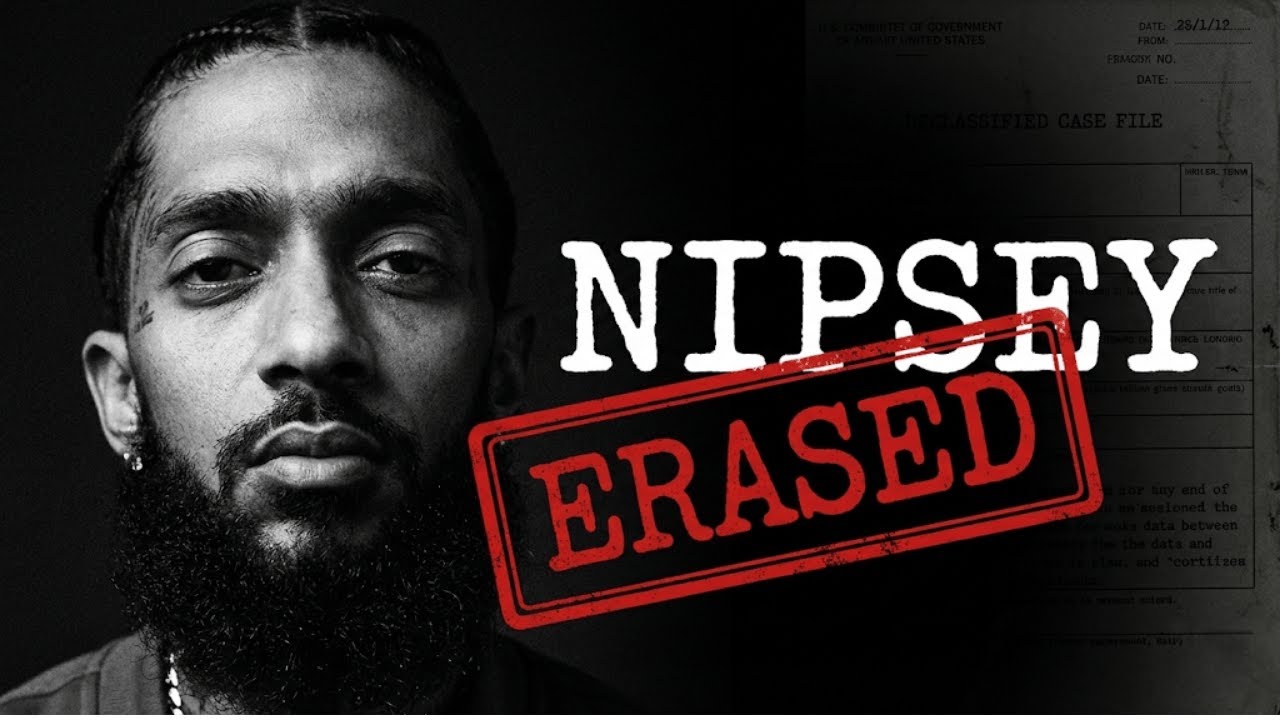
Nipsey Hussle was buying back his block — literally. Vector90, Marathon Clothing, the smart store. He was building an ownership model in a community designed to own nothing.
-
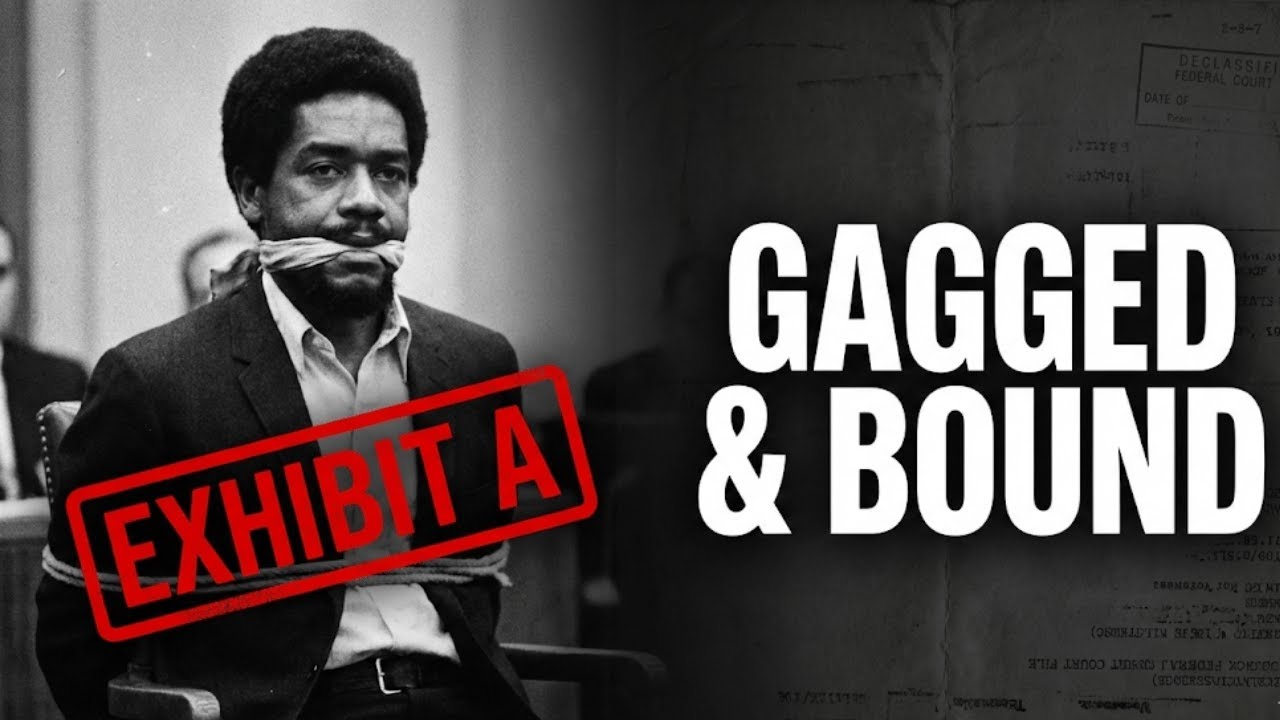
When Bobby Seale demanded his constitutional right to an attorney, Judge Hoffman ordered him bound, gagged, and chained to a metal chair in a federal courtroom.
-
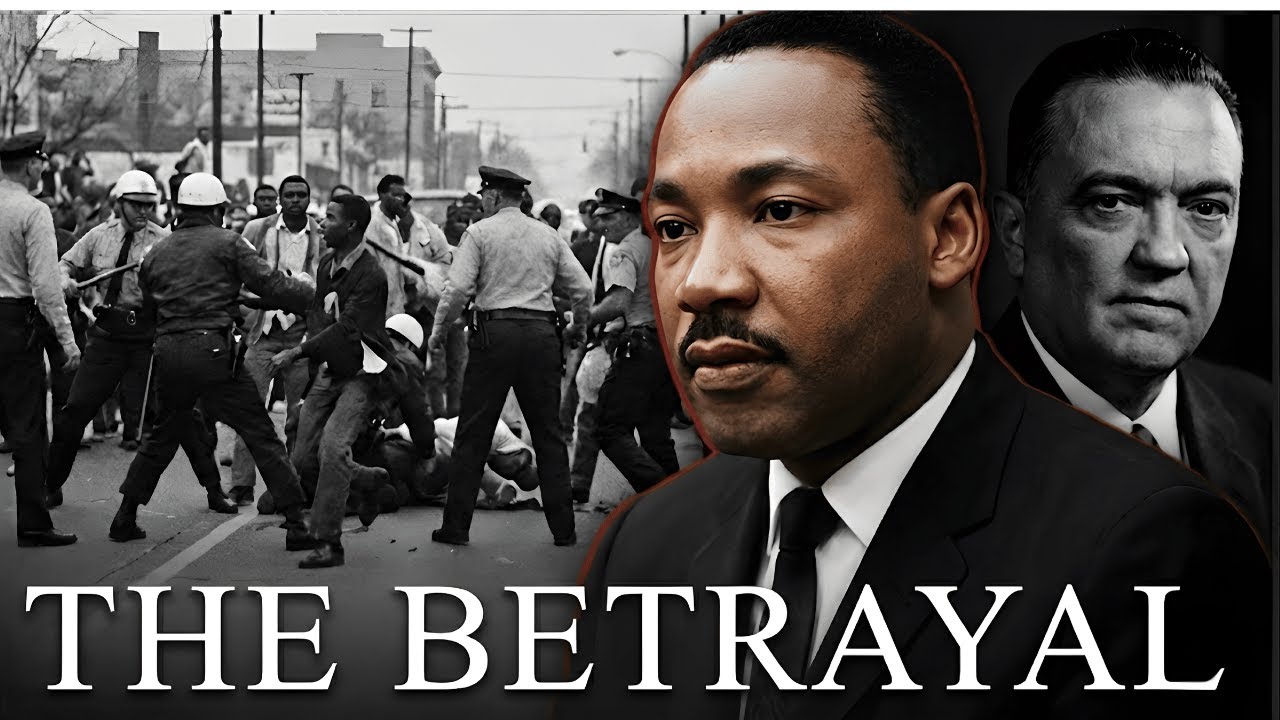
By 1967, 75% of Americans disapproved of Martin Luther King Jr. He had spoken against Vietnam, demanded economic justice, and refused to be a convenient symbol.
-
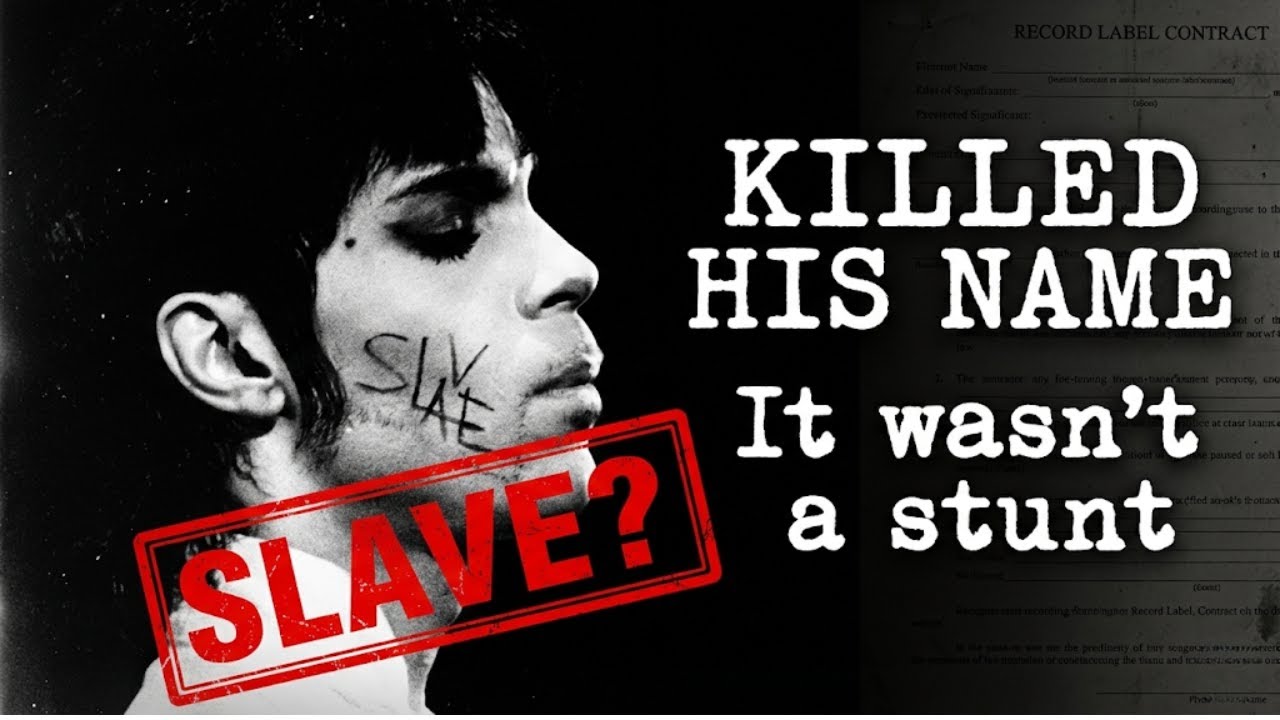
Prince signed what looked like the deal of a lifetime. Then he discovered he would never own a single note he recorded. He changed his name to a symbol in protest.
-

The doctors told him: amputate the toe or risk everything. Marley chose his faith. The cancer spread. He was thirty-six years old.
-
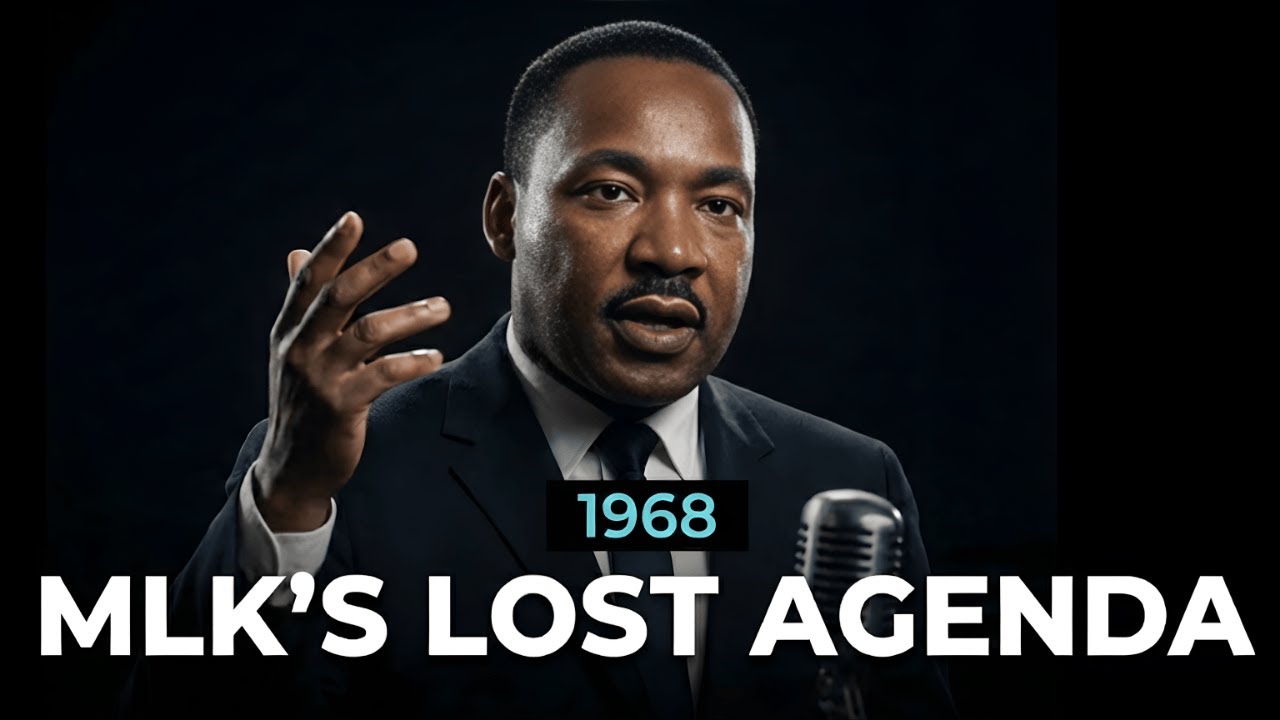
Before Memphis, King was building something the establishment feared more than marches — a multiracial army of the poor demanding economic justice.
-
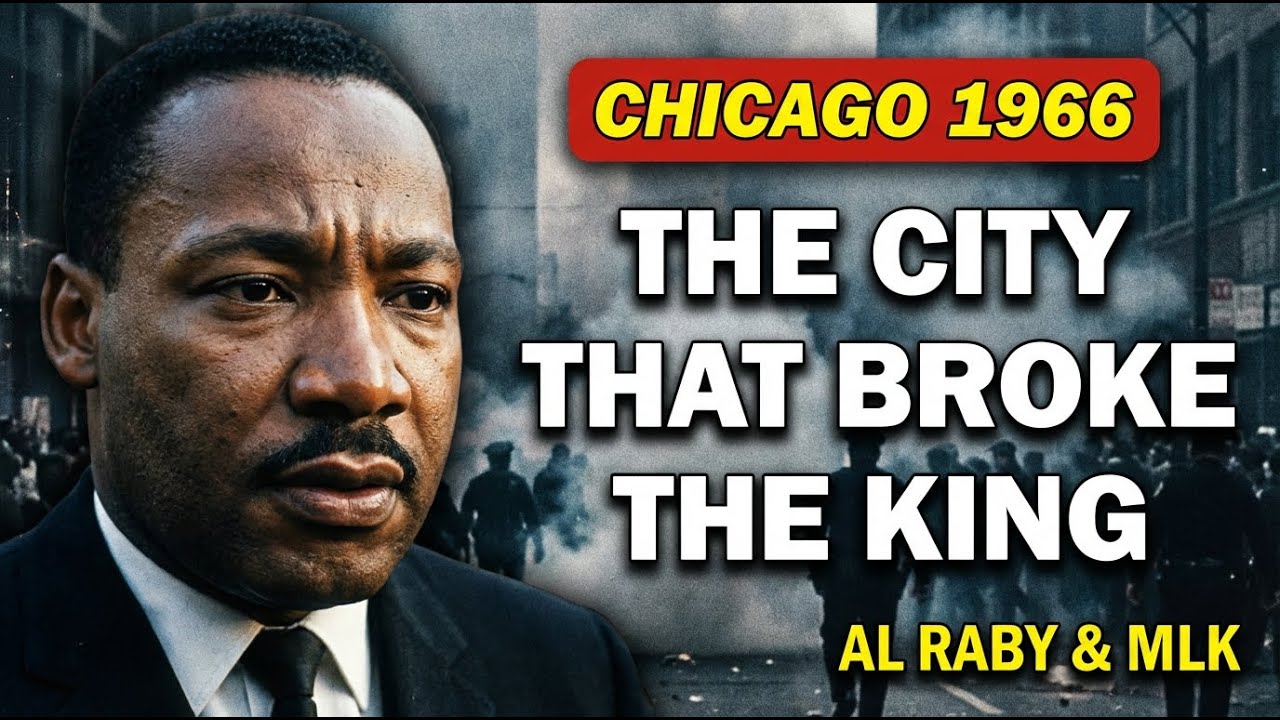
When King marched in Chicago, he said he had never seen such hatred — not in Mississippi, not in Alabama. The North revealed what America had been hiding.
-
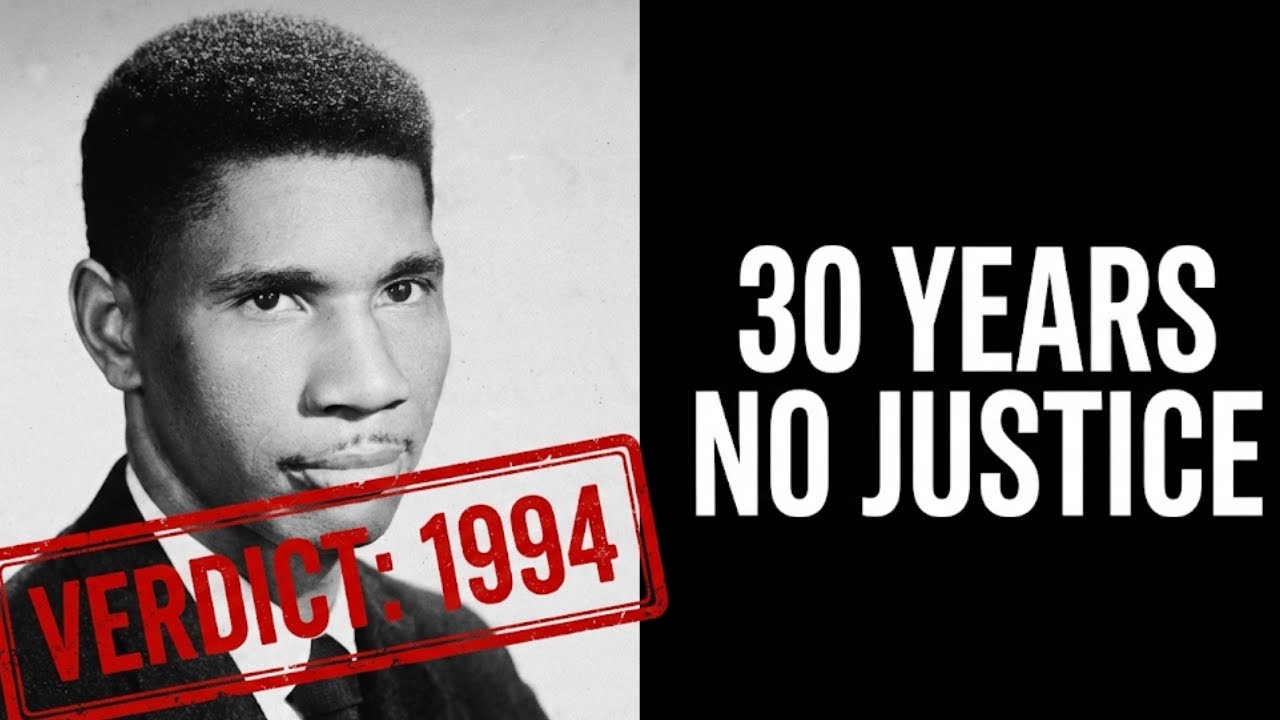
Investigators found the weapon, the fingerprints, and the suspect within days. The evidence was overwhelming. It took thirty years to get a conviction.
-
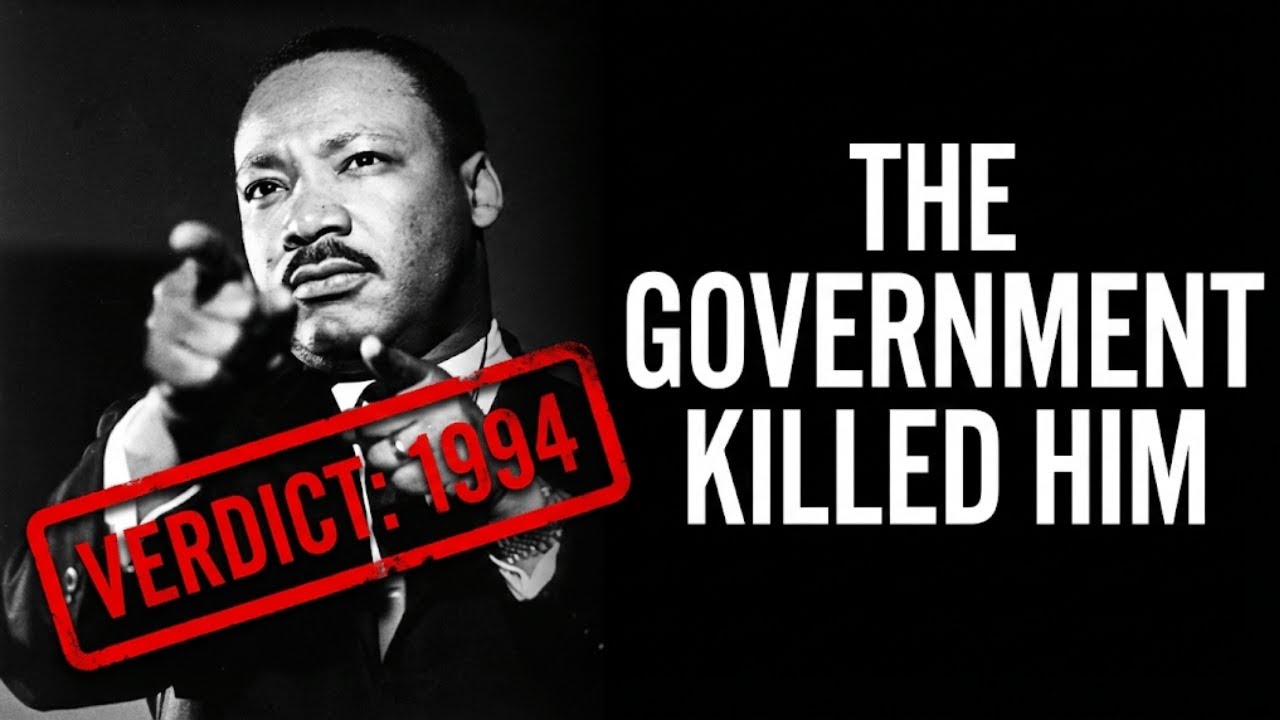
In 1999, a unanimous jury verdict proved MLK’s assassination was a conspiracy involving government agencies. The King family asked for $100. The media buried the story.
-
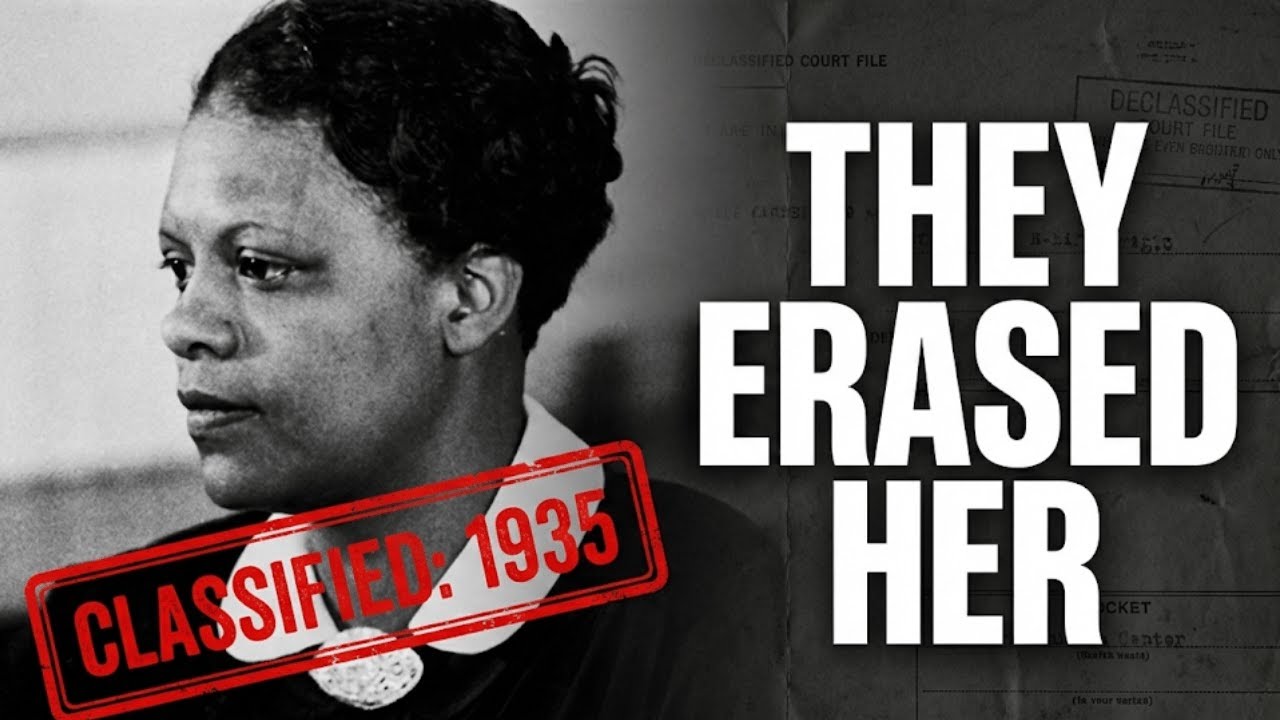
A 38-year-old Black woman prosecutor spotted the patterns no one else looked for, exposing a ten-million-dollar crime empire. Thomas Dewey rode her work to the governor’s mansion.